
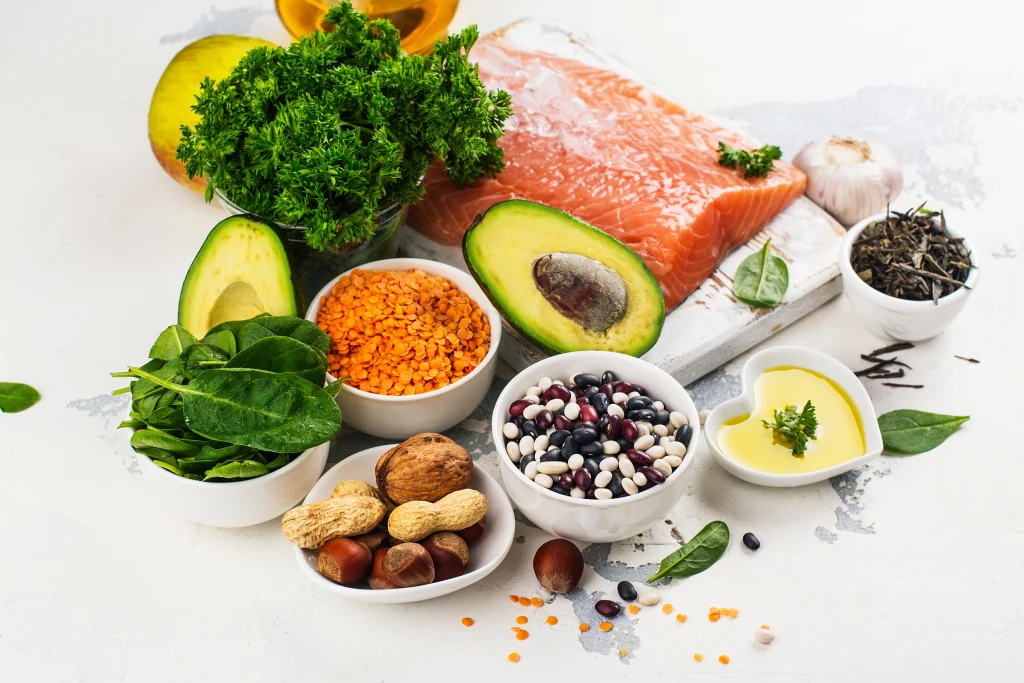
If you are a vegetarian or just trying to cut back on meat, you might worry about hitting your daily protein targets. A lot of people mistakenly believe that the only good protein comes from animal sources. But getting 90 grams of protein a day without meat or eggs is entirely possible with a little smart meal planning.
According to Amreen Sheikh, chief dietitian at KIMS Hospitals, the trick is to mix different dairy products, soy foods, pulses, legumes, whole grains, nuts, and seeds into your daily routine. Instead of trying to pack a huge amount of protein into a single meal, it is much better to distribute it evenly across your breakfast, lunch, dinner, and snacks. Spreading out your intake improves absorption, keeps you full longer, helps muscles recover, and keeps your energy steady throughout the day.
For breakfast, you can try paneer, Greek yogurt, or milk paired with roasted chana or peanut butter on whole-grain toast. When lunch rolls around, opt for dal, rajma, chole, or sprouts alongside whole grains like brown rice or roti. Dinner can be simple and filling with tofu, paneer, or soy chunks cooked with vegetables and served with chapati. Whenever you need a snack, grab a handful of roasted soy nuts, mixed seeds, unsweetened yogurt, or buttermilk to top off your daily requirements.
Soy products deserve a special mention because they offer high-quality plant protein containing all the essential amino acids. Dairy products are also excellent everyday staples for vegetarians. To give you a clear idea of how the math works out, a typical day might include two glasses of milk for about 16 grams of protein, 100 grams of paneer for 20 grams, and a cup of Greek yogurt for 15 grams. Add in a cup of cooked dal for 10 grams, a serving of soy chunks for 25 grams, and a handful of nuts for 8 grams. That combination easily brings you right to the 90-gram mark.
Keep in mind that protein needs vary from person to person based on age, body weight, and activity level. Chasing a specific number just because it is trending online is not always the best approach for everyone. The main goal should be including a solid source of protein in every meal. Of course, if you have any underlying health issues like kidney or liver conditions, it is always a good idea to chat with a qualified dietitian before making big changes to your diet.